


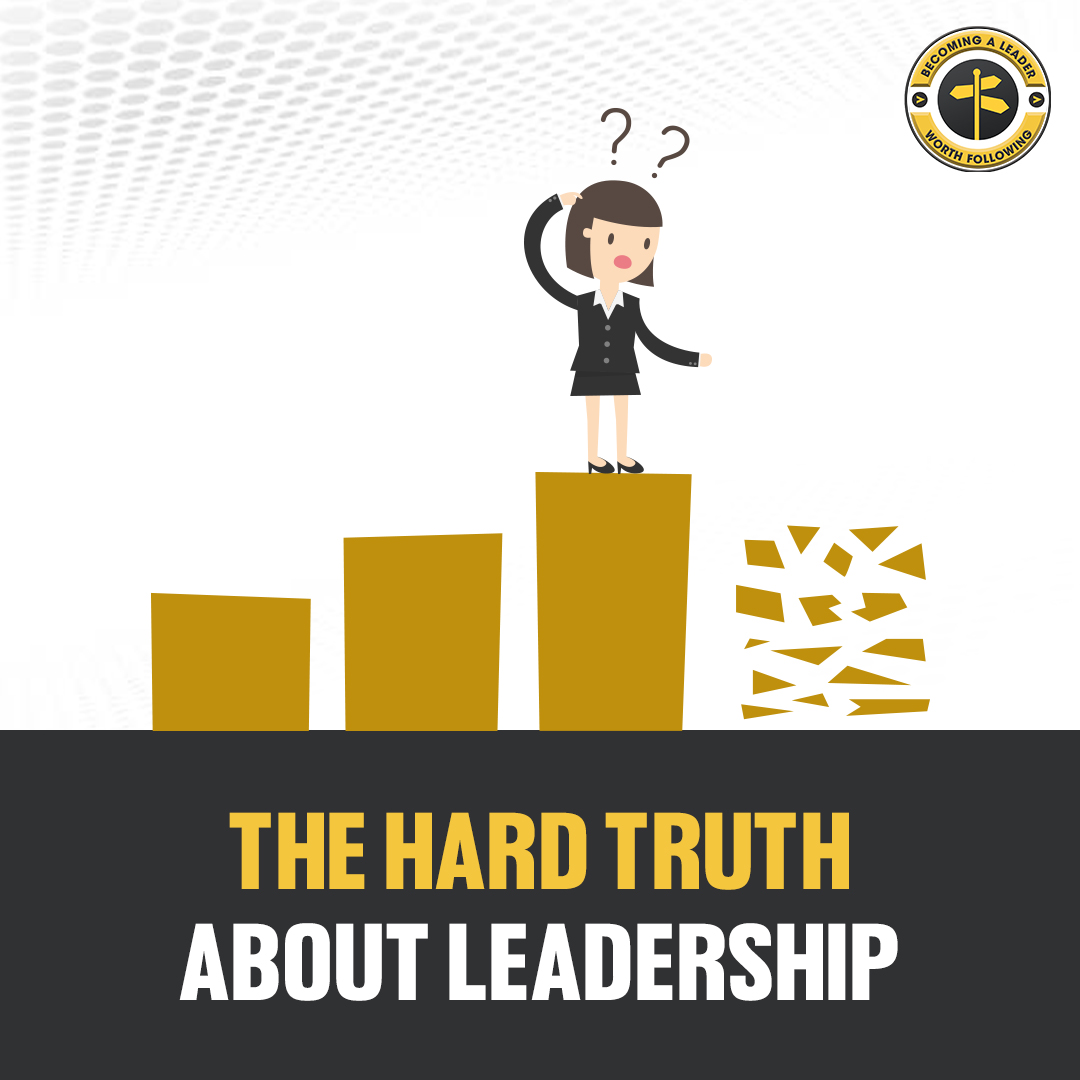
The Hard Truth About Leadership
Leadership is often portrayed as confident, decisive, and composed. From the outside, it can look like great leaders always know what they are doing. But there is an uncomfortable truth that rarely gets talked about enough.
Great leaders make mistakes. Often.
Not just small missteps, but real, visible errors that affect teams, outcomes, and trust. And the sooner a leader accepts this reality, the stronger and more effective they become.
The Reality Most Leaders Avoid
One of the biggest misconceptions about leadership is that experience eliminates mistakes. In reality, experience often increases exposure to complex decisions, which naturally brings more risk.
Leadership is not learned solely through books, courses, or frameworks. The most valuable lessons come from real situations, often when you least expect them. These moments tend to arrive unannounced, catching leaders off guard and testing their judgment in real time.
Surprises, setbacks, and uncomfortable situations are not exceptions in leadership. They are part of the job.
You Will Get It Wrong Sometimes
This is the truth many leaders struggle to accept.
You will make the wrong call.
You will miss something important.
You will handle a situation in a way you later wish you had not.
That does not make you unqualified. It makes you human.
What separates effective leaders from ineffective ones is not perfection. It is how they respond when things go wrong.
The Critical Leadership Skill: Owning the Mistake
When a mistake happens, leaders face a choice.
They can deny it, deflect blame, or try to quietly move past it, or they can take ownership.
The second option is harder, but it is where trust is built.
Owning a mistake may involve admitting it to yourself first. In other cases, it means acknowledging it to your team, your peers, or even senior leadership. The level of transparency depends on the situation, but the principle stays the same.
Take responsibility. Be honest. Address the impact.
Leaders who do this consistently create environments where accountability is normal and growth is possible.
Why Avoiding Mistakes Is the Wrong Goal
Many leaders operate with an unspoken goal of avoiding mistakes at all costs. While this may feel safe, it often leads to hesitation, risk aversion, and missed opportunities. A better goal is this: respond to mistakes in a way that strengthens your leadership.
Mistakes can either erode credibility or reinforce it. The difference lies in how you handle them.
When leaders acknowledge missteps and move forward with clarity, they demonstrate resilience, humility, and self-awareness. These qualities are far more valuable than the illusion of perfection.
Moving Forward With Intention
Every mistake carries a lesson, but only if the leader is willing to face it directly.
Ask yourself:
- What actually went wrong?
- What could I have done differently?
- What will I do next time?
Then make adjustments and move forward – not with hesitation, but with improved perspective.
Final Thought
Leadership is not about getting everything right. It is about showing up, making decisions, learning quickly, and taking responsibility when things do not go as planned.