
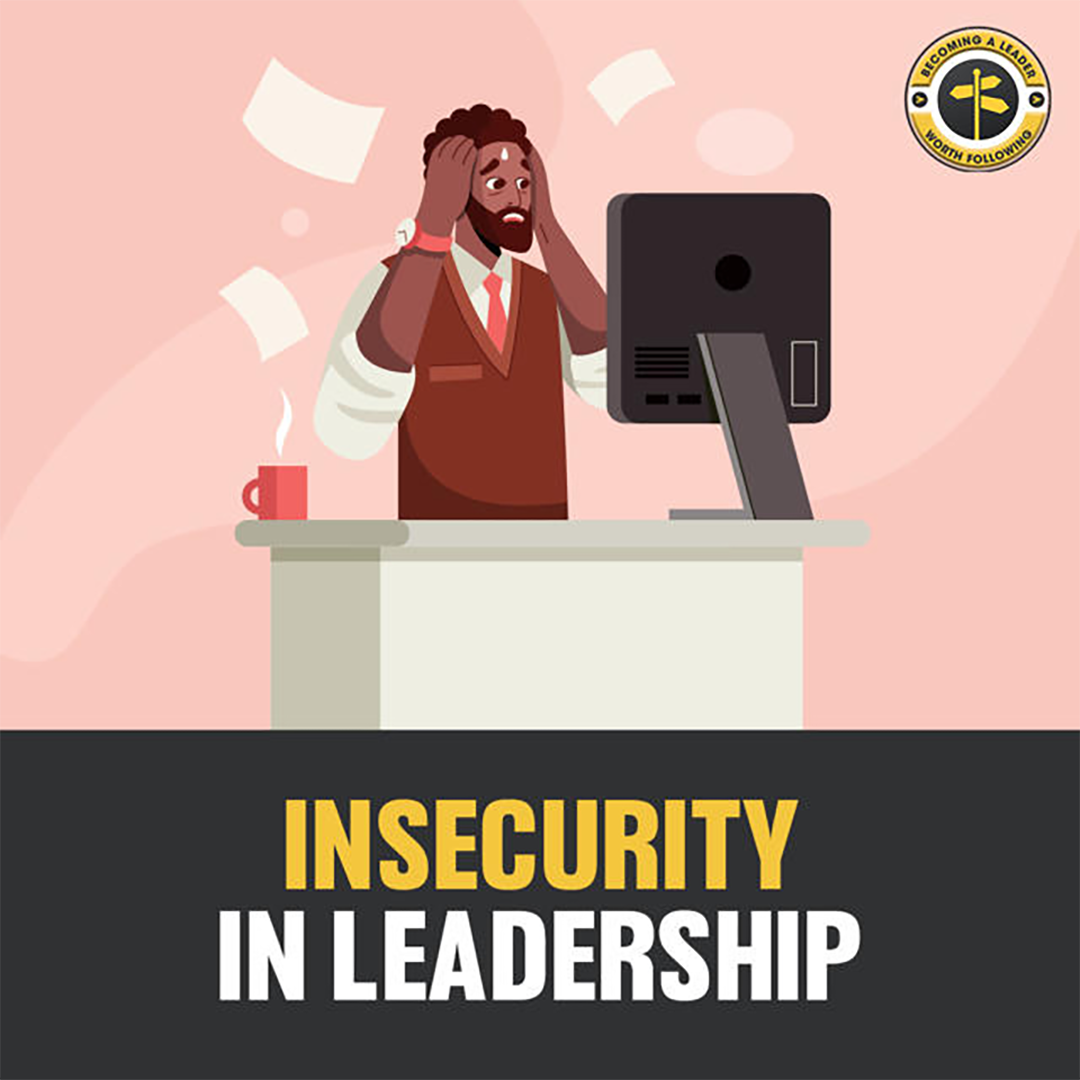
Insecurity in Leadership
Insecurity is often treated like something leaders need to eliminate. In reality, it is something they need to understand and manage. The presence of insecurity in leadership is not the problem. The way it manifests and influences decisions is what determines whether it becomes a liability or a powerful tool.
How Insecurity Shows Up in Leadership
Insecurity tends to appear at the extremes.
On one end, it can freeze a leader. This looks like hesitation, second-guessing, or avoiding decisions altogether. A leader may become so concerned about making the wrong move that they make no move at all. Over time, this creates stagnation, erodes trust, and slows progress.
On the other end, insecurity can disguise itself as overconfidence. A leader may act as if they have all the answers, shutting down input and ignoring alternative perspectives. This is often not true confidence but a defense against uncertainty. When leaders operate from this place, they risk blind spots, poor decisions, and disengaged teams.
Both extremes limit leadership effectiveness. One stalls action. The other blocks growth.
The Leadership Sweet Spot
Effective leadership lives somewhere in the middle.
A certain level of insecurity is not only normal, but it is useful. It signals that something matters. It invites reflection, encourages preparation, and pushes leaders to think more deeply before acting. At the same time, too much insecurity becomes paralyzing, while too much confidence becomes reckless.
The goal is not to eliminate insecurity or maximize confidence. The goal is balance.
Turning Insecurity Into a Tool
Leaders who grow learn how to use insecurity rather than fight it.
Self-awareness is the starting point. When insecurity shows up, it is worth asking what is driving it. Is there a gap in knowledge? A need for more information? A fear of perception? Understanding the source allows a leader to respond intentionally instead of reacting emotionally.
Insecurity can also act as a signal to slow down and think more critically. It can prompt better questions, more thoughtful planning, and stronger decision-making. When used well, it sharpens leadership rather than weakening it.
The Role of Experience
Experience naturally builds confidence over time. As leaders face challenges, make decisions, and see outcomes, they begin to trust their judgment more. This kind of confidence is grounded. It is built on evidence, not ego.
Even so, experience does not eliminate insecurity completely. New challenges, higher stakes, and unfamiliar situations can still bring it back. That is not a failure; it is part of growth.
Managing Imposter Syndrome
Many leaders experience moments where they feel like they are not good enough, not smart enough, or not ready. This is often described as imposter syndrome. Left unchecked, it can undermine confidence and distort perception.
In these moments, it is important to separate feeling from fact. A leader may feel uncertain but still have the knowledge and capability to lead effectively.
One practical mindset shift can help: when you struggle to believe in yourself, lean on the belief others have in you. Trust the people who have seen your strengths, your decisions, and your impact. Their confidence can help bridge the gap until your own catches up.
Final Thought
Insecurity is not the enemy of leadership. Mismanaged insecurity is.
When leaders learn to tolerate insecurity, explore it, and use it as feedback, it becomes an asset. Combined with grounded confidence and growing experience, it creates a more thoughtful, adaptable, and effective leader.