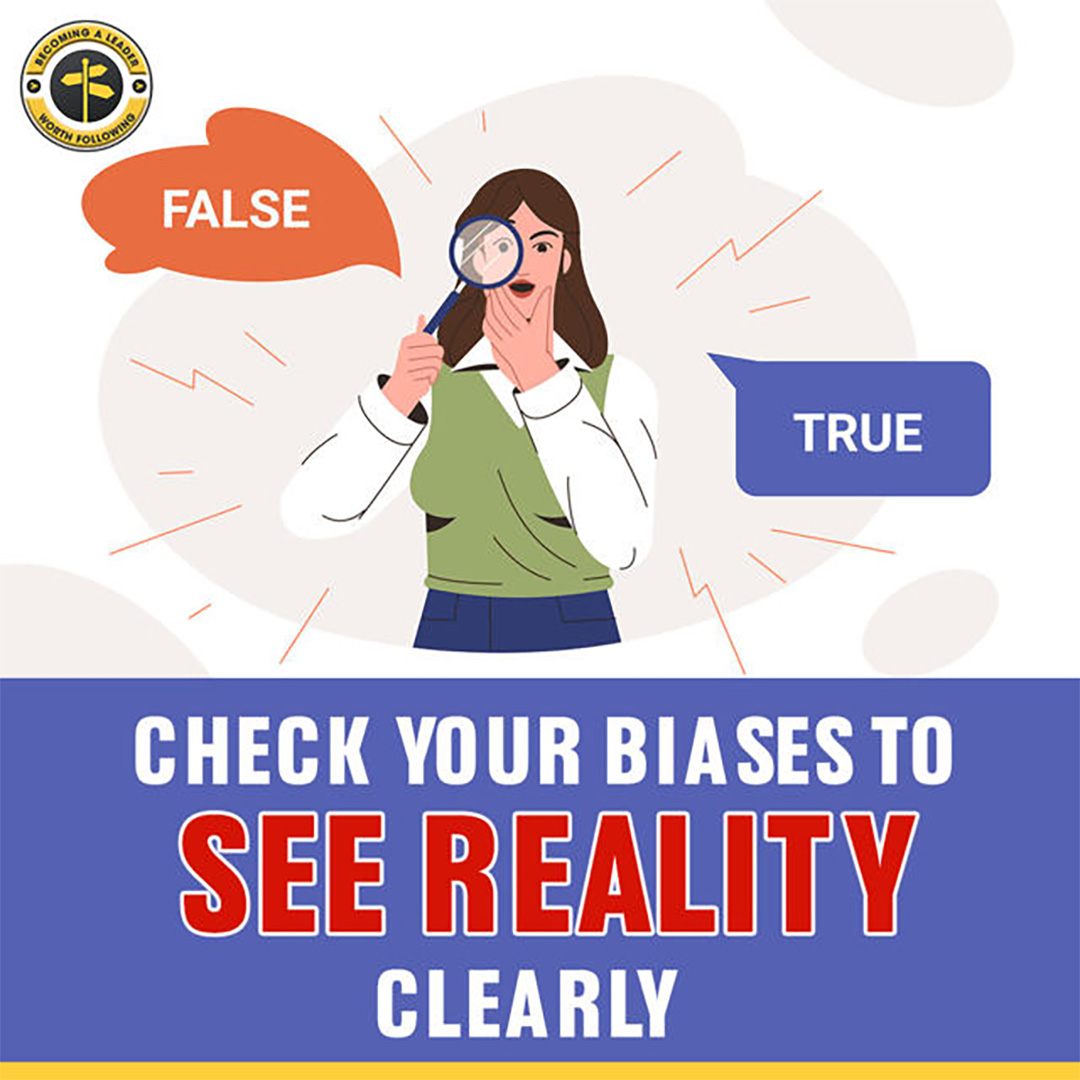
Check Your Biases To See Reality Clearly
Every leader views the world through a unique lens. Experiences, assumptions, successes, and even failures shape how we interpret situations. While those perspectives can be valuable, they can also become blind spots that keep us from seeing what’s really happening.
One of the greatest leadership skills isn’t having all the answers; it’s having the humility to recognize that your perspective may be incomplete.
Why Facing Reality Matters in Leadership
Strong leadership starts with a willingness to face reality, even when it’s uncomfortable.
There’s an old fable about The Emperor’s New Clothes. An emperor becomes so convinced by flattering voices around him that he believes he’s wearing magnificent clothes when, in fact, he isn’t wearing anything at all. Everyone sees the truth, but no one speaks up until a child points out the obvious.
Leaders can fall into the same trap.
When no one challenges your thinking, it’s easy to mistake perception for reality. Over time, you begin making decisions based on assumptions instead of facts. That disconnect can damage trust, weaken culture, and create problems that could have been addressed much sooner.
The Best Leaders Invite Honest Feedback
The most effective leaders don’t assume they have a complete picture. They actively seek input from the people around them.
Employee opinion surveys, one-on-one conversations, customer feedback, and open discussions all provide valuable insight into what’s actually happening inside an organization. They help reveal strengths that should be celebrated and weaknesses that need attention.
Receiving honest feedback isn’t always easy. Sometimes it stings. Sometimes it challenges the way you see yourself. That’s normal.
What separates great leaders from average ones isn’t whether they feel defensive. It’s what they do next. Instead of rejecting criticism, they treat it as valuable information. They listen carefully, reflect honestly, and look for opportunities to improve.
Feedback Is a Gift Only If You Use It
Collecting feedback without acting on it sends a clear message: people’s voices don’t matter.
Leadership requires more than listening. It requires responding.
If employees consistently identify communication problems, address them. If your team says they need more support, find ways to provide it. If you realize you handled a difficult conversation poorly, acknowledge it and make things right.
Growth begins when feedback leads to action. The goal isn’t to protect your ego; it’s to become a better leader.
Ask the Hard Questions
Objectivity starts with curiosity.
Rather than assuming your decisions are correct, ask yourself questions like:
- What facts am I overlooking?
- Could my own assumptions be influencing this decision?
- What would my team say if they felt completely safe to be honest?
- Am I listening to understand or listening to defend myself?
Questions like these help remove the “goggles” of personal bias and replace them with a clearer view of reality.
Leadership Requires Humility
Every leader has blind spots. No one is immune.
The leaders who continue to grow are the ones who accept that truth. They don’t pretend to have all the answers, and they don’t surround themselves with people who only tell them what they want to hear.
They welcome honest conversations because they know those conversations make them better.
Facing reality isn’t always comfortable, but it’s one of the most important habits a leader can develop. When you’re willing to seek feedback, accept it with humility, and take meaningful action, you create stronger relationships, better decisions, and a healthier organization.