

How Great Leaders Stay Calm Under Pressure
Leadership comes with pressure. Deadlines pile up. Expectations rise. Problems seem to arrive all at once. Even the most experienced leaders have moments when they feel like they’re about to reach their breaking point.
So, what separates leaders who lose control from those who keep their cool?
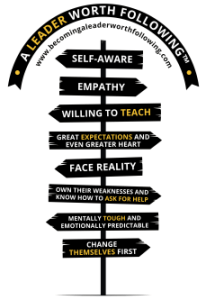
It often comes down to two qualities: mental toughness and emotional predictability.
Mental Toughness Isn’t About Being Emotionless
When people hear the phrase “mental toughness,” they sometimes picture someone who never struggles, never gets frustrated, and never shows weakness. That’s not what real mental toughness looks like. Being mentally tough doesn’t mean pretending everything is fine. It means continuing to lead when things aren’t fine.
Anyone can lead when business is booming, goals are being met, and morale is high. Those moments don’t test leadership. Difficult seasons do. When sales decline, budgets tighten, projects fall behind, or unexpected challenges hit, your team looks to you for direction. They don’t need another person complaining about the situation. They need someone who can acknowledge reality without being consumed by it.
Resilient leaders don’t ignore problems. They face them head-on while keeping their attention on solutions instead of emotions.
Your Team Takes Emotional Cues From You
Every leader has emotions. Frustration, disappointment, and even anger are part of being human. The question isn’t whether you’ll experience those emotions. The question is how consistently you respond to them.
If your reactions change from one day to the next, your team never knows what version of you they’re going to get. One meeting is productive. The next feels tense for no obvious reason. Employees begin second-guessing every conversation because they’re trying to avoid setting you off. That’s what happens when leaders become emotionally unpredictable.
Over time, people stop sharing ideas. They avoid difficult conversations. Problems stay hidden longer because employees become more focused on managing the leader’s emotions than solving the issue itself.
No healthy workplace thrives under those conditions.
Emotional Predictability Builds Trust
Being emotionally predictable doesn’t mean you’re cheerful every minute of the day. It means your team can count on you to respond in a measured, consistent way.
You might say, “I’m frustrated about what happened,” but your employees also know you won’t explode, shut down, or make emotional decisions you’ll regret later.
That consistency creates psychological safety. People know they can bring you bad news, ask difficult questions, or admit mistakes without wondering whether they’ll be met with an emotional outburst.
Trust grows because people know what to expect.
What to Do When You Feel Like You’re About to Blow Up
Every leader eventually reaches a moment when emotions start taking over. The goal isn’t to suppress those feelings. It’s to keep them from taking control.
A few simple habits can help:
- Pause before responding instead of reacting in the moment.
- Separate the problem from the people involved.
- Focus on the next decision that needs to be made.
- Save emotional venting for a trusted friend, mentor, or coach rather than your team.
- Remind yourself that today’s frustration doesn’t have to define tomorrow’s leadership.
Strong leaders recognize their emotions without letting those emotions lead the organization.
Leadership Is Measured Most During Difficult Times
Anyone can look composed when everything is going according to plan. Leadership earns its reputation during uncertainty.
Mental toughness allows you to keep moving when circumstances become difficult. Emotional predictability gives your team the confidence to follow you through those challenges.
People don’t expect perfection from their leaders. But they do expect consistency.