

Learning From Past Leadership Decisions Without Getting Stuck
Leadership requires making decisions without knowing exactly how those decisions will turn out. Sometimes you get it right. Sometimes you make the best choice you can with the information available and still end up dealing with an unexpected consequence.
Years later, it can be easy to look back and wonder, “What should I have done differently?”
That kind of reflection can be valuable. But there is a difference between learning from a past leadership decision and letting hindsight convince you that you failed because you did not have the answers you have today.
Good leaders learn from their decisions. Great leaders use those lessons to make better decisions in the future.
Leadership Means Being a Lifelong Learner
Becoming a leader worth following requires a willingness to keep learning.
Leadership development does not end when you earn a new title or take responsibility for a team. There is always something new to understand, whether it is about your team, your organization, your industry, or yourself.
That means being curious. It means being willing to relearn things you thought you already understood. It also means taking time to reflect on your experiences. When you look back at a difficult leadership decision, it is natural to think about what you could have done differently. The problem comes when reflection turns into regret.
Hindsight gives us information we simply did not have at the time. You know how the situation unfolded. You know which risks materialized. You know how people responded. You may even have a much better understanding of the circumstances that surrounded the decision. But you did not know (and could not have known) those things when you made the choice.
So, instead of asking, “How could I have made a better decision?” a more useful question is:
“What did I learn from that decision, and how can that lesson influence the next one?”
Most Leadership Decisions Involve Trade-Offs
The hardest leadership decisions rarely have a perfect answer.
Often, leaders are managing competing priorities. You may need to reach an important goal, but doing so could require additional resources. You may need to make a change that benefits the organization while creating short-term challenges for your team. You may have to choose between two good opportunities because you do not have the time or resources to pursue both. Every option comes with consequences.
This is why effective decision-making requires more than simply asking which option sounds best. Leaders have to understand the trade-offs involved and consider which decision moves the team or organization closer to its larger goals. That requires judgment. It also requires perspective.
A decision can produce an outcome you did not want without being a bad decision. Sometimes the information available at the time supported the choice you made, even if circumstances later changed. Leadership is full of these moments.
Let Your Past Decisions Inform Your Future
Looking back can be useful when you approach it as a learning exercise. Maybe you discovered that you did not communicate clearly enough. Maybe you realized that you acted too quickly. Perhaps you underestimated how a decision would affect your team. Those lessons matter.
The next time a similar situation comes up, you have something you did not have before: experience. That experience can help you recognize warning signs sooner, ask better questions, involve the right people, or consider a consequence you previously overlooked. This is one of the most important benefits of self-reflection in leadership. You cannot change the decision you made five years ago. But you can change what you do with what you learned from it.
Pay Attention to Decisions Driven by Ego
Not every leadership decision deserves the same kind of reflection. One area worth examining closely is the motivation behind the decision. Ask yourself: “Was I making this decision because it was right for the team and organization or because it benefited me?”
Leaders are human. There will be moments when personal interests, pride, frustration, or ego influence our judgment. Recognizing those moments is part of becoming more self-aware. Decisions made primarily to protect your image, prove yourself, gain recognition, or maintain control may deserve a second look.
Leadership is ultimately about influence and responsibility. Whether you are leading an organization, managing a team, or simply leading yourself, your decisions affect other people. The strongest leaders keep that responsibility in view. They ask what will serve the team. They consider the organization. They think about the broader community. They look beyond what is easiest or most personally advantageous.
That does not mean ignoring your own needs or never making a decision that benefits you. It means being conscious of when your own interests are influencing your judgment and then making sure they do not consistently come before the people you are responsible for.
Self-Awareness Makes Better Leaders
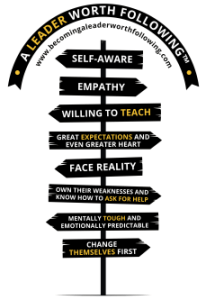
Self-awareness plays an important role in learning from leadership decisions. A self-aware leader can recognize when they made a mistake without allowing that mistake to define them. They can acknowledge when ego influenced a decision. They can listen to feedback without immediately becoming defensive.
They can also recognize their growth. The leader you are today has information, experience, and perspective that you did not have earlier in your career. Of course you would make some decisions differently today. That is evidence that you have learned.
Leadership growth means becoming more aware of how you think, how you respond, and how your decisions affect the people around you. It means being willing to change yourself before expecting change from others. It means having empathy. And it means staying curious enough to keep learning.
The Goal Is Progress, Not Perfection
Every leader will eventually have a decision they wish they could revisit. That is part of leadership. Unfortunately, we do not get to see the future before making a decision, and we do not get to rewrite the past once we understand how things turned out. But what we can do is learn.
Take the difficult decision. Examine the trade-offs. Consider what you knew at the time. Look honestly at what you could have handled differently. Then carry that lesson forward. The next decision will be where that growth becomes useful.