
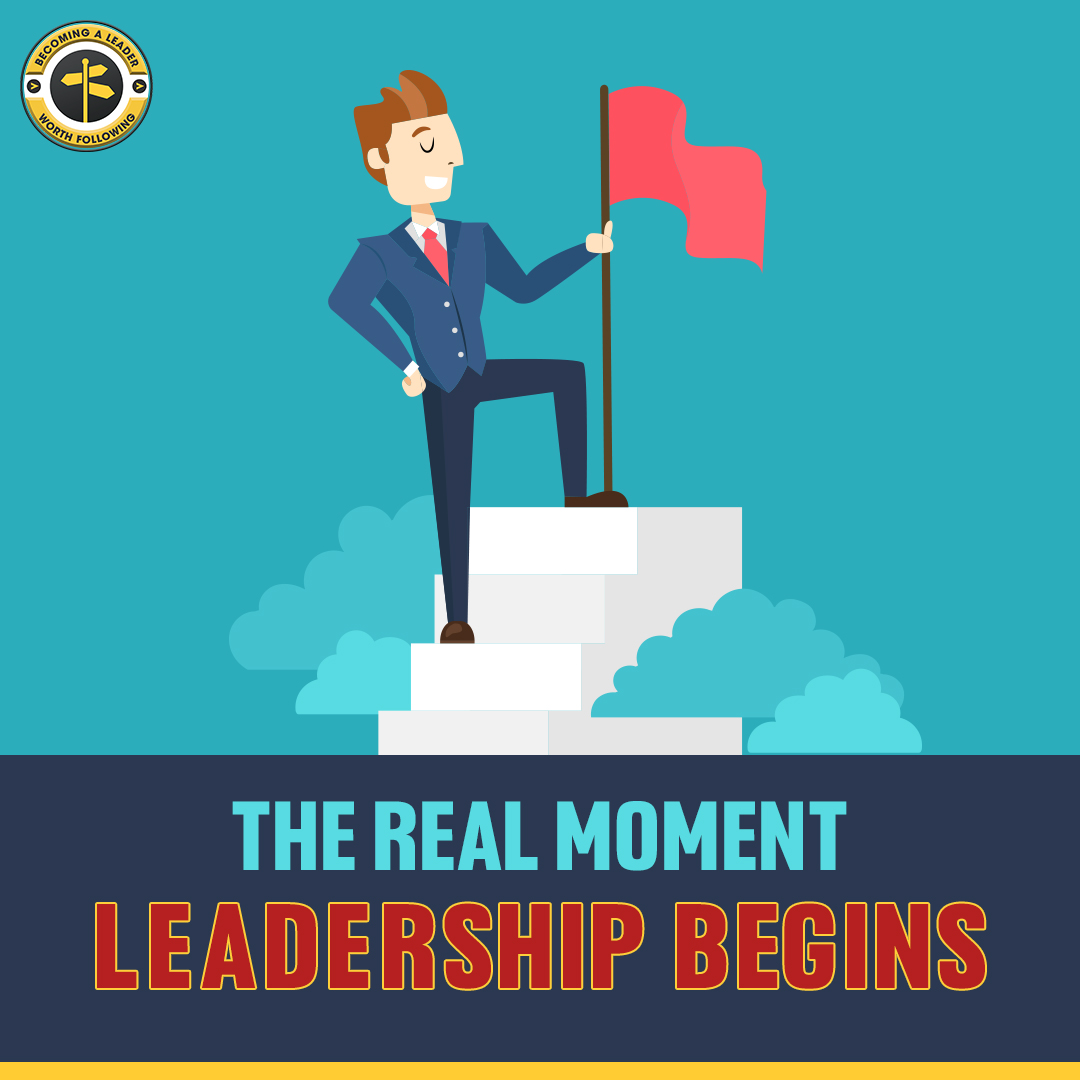
The Real Moment Leadership Begins
Many people believe leadership begins when they receive a promotion, manage a team, or hold a formal title. But the truth is far more interesting and empowering. Leadership doesn’t start when someone gives you authority. It begins much earlier.
So, when does someone actually become a leader? The answer lies in one powerful concept: influence.
In this article, we’ll explore when leadership truly begins, the signals that indicate the shift into leadership, and why you may already be leading, even if you don’t realize it.
Leadership Starts With Influence
One of the most insightful definitions of leadership is simple: leadership is the art of influencing others.
Many people associate leadership with positions such as manager, director, or executive. While those roles certainly involve leadership, the essence of leadership isn’t a job title; it’s the ability to influence actions, decisions, and attitudes.
If your words, behaviors, or actions shape how others think or act, you are practicing leadership.
- Motivating coworkers to stay focused on a project
- Encouraging a friend during a difficult time
- Setting a positive example through your work ethic
- Helping guide a team toward a better solution
In all of these cases, leadership is already happening even without formal authority.
The First Leadership Role: Leading Yourself
Before anyone leads others, they first lead themselves.
Self-leadership is often overlooked, but it is the foundation of effective leadership. It involves discipline, accountability, integrity, and the ability to stay focused on goals even when no one is watching.
- Staying committed to your responsibilities
- Doing the right thing for the right reasons
- Maintaining high standards for your work
- Managing your time and priorities effectively
- Continuing to learn and grow
When you consistently demonstrate these behaviors, you create trust and credibility. Over time, people begin to notice, and influence naturally follows.
In other words, leadership begins the moment you take responsibility for leading yourself.
The Moment Leadership Expands
At some point in many careers, leadership responsibilities become more formal.
- Becomes responsible for a team
- Leads a project or initiative
- Takes on mentorship responsibilities
- Moves into a management or executive role
At this stage, leadership evolves from personal discipline to organizational responsibility.
- Supporting team members
- Making decisions that affect others
- Managing processes and administrative tasks
- Aligning people around shared goals
However, while the responsibilities grow, the core principle remains the same: leadership is still about influence.
The title simply expands the scope of that influence.
Signs You’re Already Acting Like a Leader
Many people underestimate their leadership impact because they think leadership requires authority. In reality, leadership behaviors often appear long before formal recognition.
- People Look to You for Guidance
When colleagues seek your opinion or perspective, it’s a signal that your influence is growing. - You Set the Tone for Work Ethic
Your consistency, focus, and reliability can motivate others to raise their standards. - You Help Others Stay Focused
Whether through encouragement or accountability, helping others stay aligned with goals is leadership in action. - You Take Initiative
Leaders don’t wait for permission to improve things; they identify opportunities and act. - You Lead by Example
Perhaps the most powerful form of leadership is modeling the behavior you expect from others.
When you consistently demonstrate these qualities, you are influencing people, and that means you’re leading.
Leadership Is a Lifelong Practice
One of the most important truths about leadership is that it doesn’t begin at a single moment.
Instead, leadership is something we practice throughout our lives.
- Our own habits and decisions
- Our families and friends
- Our colleagues and teammates
- Our communities
Sometimes that influence is small and personal. Other times it becomes broader and more formal.
But the underlying principle never changes: leadership is about the example we set and the influence we have on others.
Why This Perspective on Leadership Matters
Understanding that leadership begins with influence, not authority, changes how people approach growth and responsibility.
- You don’t have to wait for a title to start developing leadership skills.
- Every action you take can strengthen or weaken your leadership influence.
- Leadership development starts with character, discipline, and example.
This perspective also encourages people at every level of an organization to step forward, contribute ideas, and help others succeed.
Leadership becomes less about hierarchy and more about impact.
Final Thoughts: You May Already Be a Leader
Many people spend years waiting to “become” a leader. They assume the shift will happen when they receive a promotion or a new job title.
But leadership doesn’t suddenly appear when a title changes.
- Working hard when no one is watching
- Doing the right thing at the right time
- Encouraging others to succeed
- Influencing people through example
If you are influencing others or even consistently influencing yourself to stay disciplined and focused, you are already practicing leadership.
The real question isn’t when you become a leader.
It’s how intentionally you choose to lead every day.