

When the Leader Is the Bottleneck: How to Recognize It and Fix It
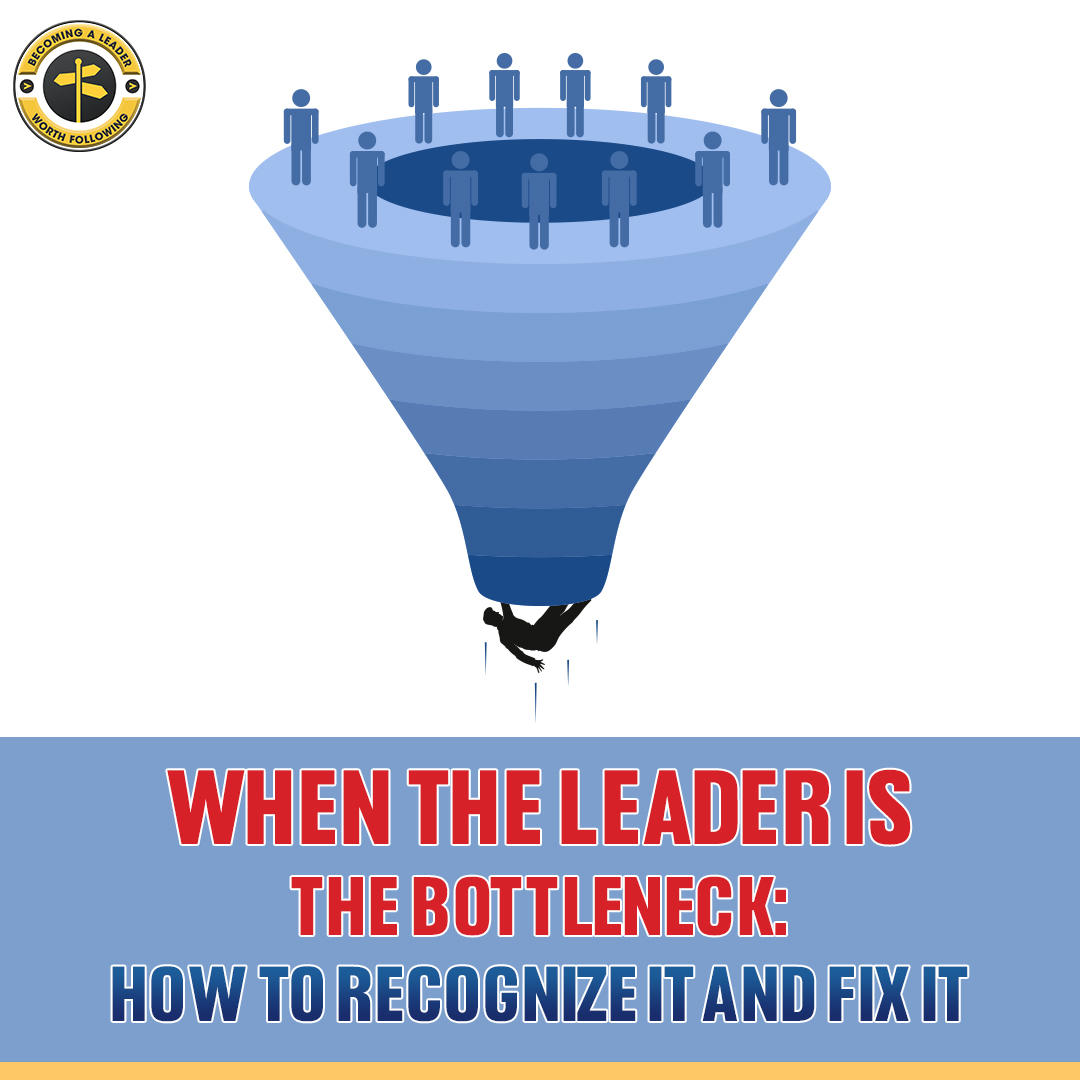
One of the hardest truths for any leader to face is this: sometimes the biggest obstacle to progress isn’t the team, the strategy, or the systems – it’s the leader.
Organizations often stall not because of a lack of talent or effort but because leadership blind spots quietly create friction, slow decision-making, and choke momentum. The challenge is that leaders rarely see themselves as the bottleneck. Instead, frustration tends to get projected outward.
So how can leaders recognize when they are the bottleneck and, more importantly, how can they fix it?
The Hidden Danger of Leadership Blind Spots
Over time, even experienced leaders can develop blind spots. These are behaviors, habits, or assumptions that feel normal to the leader but are clearly visible and costly to everyone else.
When leaders struggle with blind spots, it often shows up as:
- Projects moving slower than expected
- Decisions getting stuck at the top
- Teams waiting for approval instead of acting
- Repeated frustration about “why things aren’t getting done”
The problem is that leaders often respond by looking outward for solutions. They assume the issue lies with the team, the process, or the structure.
But sometimes, the real issue is closer than it appears.
A Key Signal: Persistent Frustration
One of the strongest indicators that a leader may be the bottleneck is ongoing frustration with execution.
If you find yourself thinking:
- “Why can’t they just get this right?”
- “Why does everything take so long?”
- “Why do I have to be involved in everything?”
It’s worth pausing and asking a harder question:
What might I be doing or not doing that’s contributing to this?
Leadership behavior creates ripple effects. A leader’s “wake” travels through the organization, shaping how people communicate, decide, and act. Without self-awareness, those ripples can quietly become obstacles.
Self-Awareness: The Foundation of Growth-Oriented Leadership
Great leadership starts with self-awareness. Leaders who are worth following consistently examine their own impact before blaming external factors.
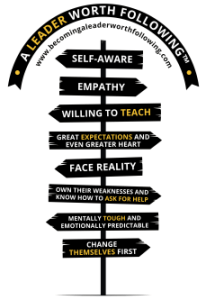
A practical way to do this is to regularly self-check against core leadership traits, such as:
- Self-awareness
- Empathy
- Clear communication
- Trust-building behaviors
- Willingness to listen and learn
Leaders who revisit these elements often reduce their chances of becoming the bottleneck without realizing it.
Even better? Invite outside perspective.
This could mean:
- Asking a trusted colleague for honest feedback
- Working with a leadership coach
- Creating safe channels for upward feedback
The goal isn’t self-criticism; it’s self-correction.
“Grit in the Gears”: When Progress Feels Harder Than It Should
When leaders describe their organizations as feeling stuck or sluggish, it’s often described as “grit in the gears.” Things technically work, but nothing moves smoothly.
At the heart of this friction is almost always communication.
Common communication breakdowns include:
- Not communicating enough
- Communicating the wrong message
- Assuming understanding instead of confirming it
- Sending mixed signals through actions and words
And one of the most overlooked communication skills in leadership? Listening.
Why Listening Is a Leader’s Most Powerful Tool
Listening isn’t passive; it’s strategic.
Leaders who listen well don’t just hear what’s being said. They pay attention to:
- What people hesitate to say
- What topics never get raised
- What behaviors signal fear, confusion, or disengagement
By listening deeply, leaders gain insight into:
- Where friction really exists
- Why decisions are stalling
- How their own behavior may be shaping team dynamics
This awareness allows leaders to remove obstacles, reduce friction, and create space for others to lead effectively.
How Leaders Can Stop Being the Bottleneck
If you suspect you might be the bottleneck, here are practical steps to begin fixing it:
- Pause before blaming outward.
Ask what role you may be playing in the slowdown. - Audit your communication.
Are expectations clear? Are decisions explained or just delivered? - Practice intentional listening.
Seek both spoken and unspoken feedback. - Invite a trusted perspective.
A coach or peer can often see what you can’t. - Model the growth you expect from others.
Teams move faster when leaders demonstrate humility and learning.
Final Thought: Leadership Is Influence, Not Control
When leaders become more self-aware, empathetic, and intentional communicators, bottlenecks dissolve. Teams gain confidence, decisions accelerate, and organizations regain momentum.
The most effective leaders don’t assume the problem is “out there.” They’re willing to look inward first. And that willingness is often what transforms a leader from an obstacle into a catalyst for growth.