
How to Know Who to Ask for Help
Many leaders think that the biggest challenge related to asking for help is simply finding the courage to do it. Courage matters, but it isn’t the whole story.
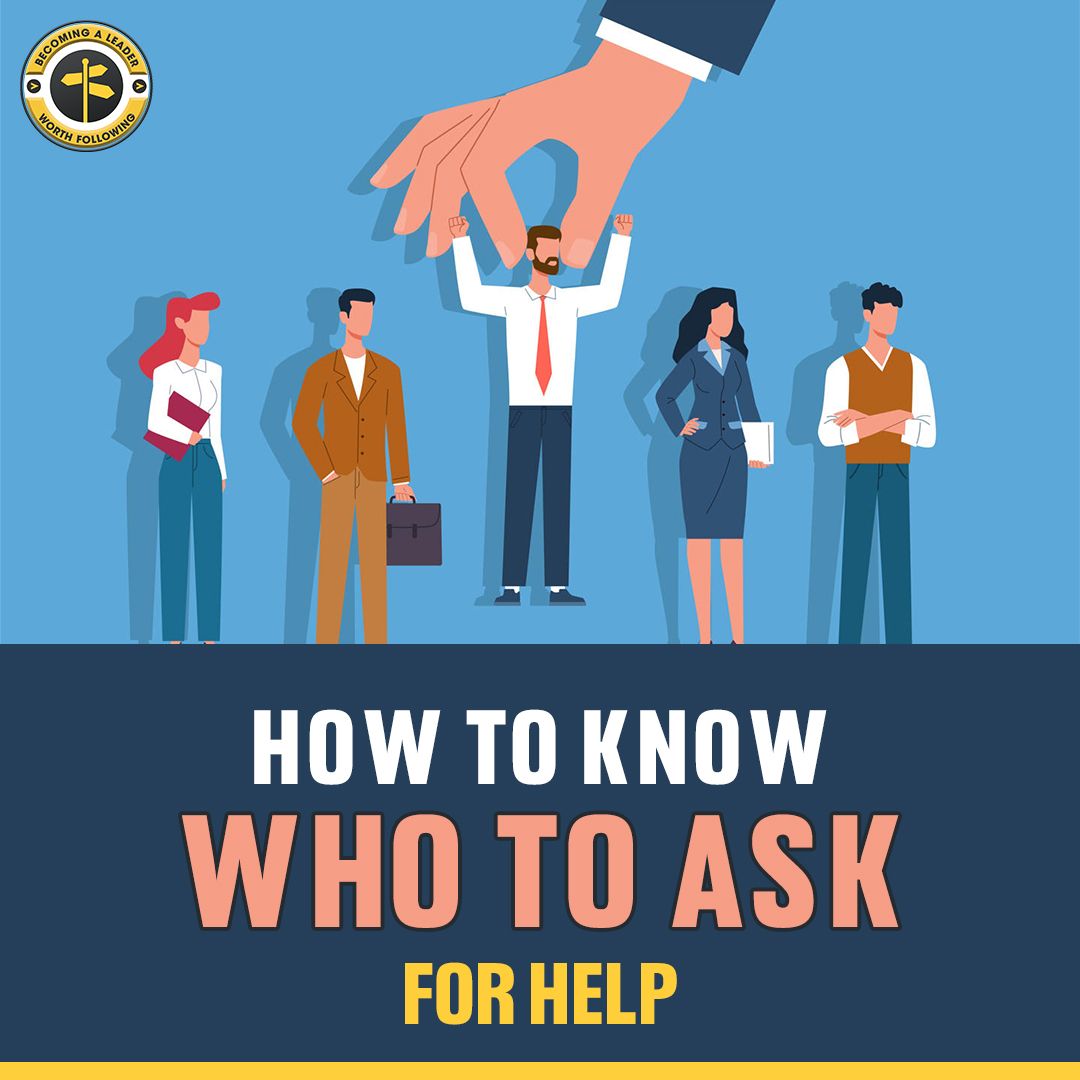
Effective leaders know that asking for help also means knowing who to ask.
The wrong person can leave you with bad advice, conflicting priorities, or even less confidence than when you started. The right person can help you identify blind spots, strengthen your decision-making, and accelerate your growth.
So, how do you know who belongs in your corner?
Start by Owning Your Weaknesses.
Every leader has strengths. Every leader also has areas where they struggle. Growth begins when you’re honest enough to recognize the difference.
Instead of trying to become an expert at everything, accept that there are skills, experiences, and perspectives you don’t yet have. That isn’t a flaw; it’s part of being human. Leaders who acknowledge their weaknesses are far more likely to improve than those who spend their energy trying to hide them.
Once you’ve identified where you need help, finding the right person becomes much easier.
Build Your Own “Kitchen Cabinet.”
Leadership expert Ken Blanchard often talks about having a “kitchen cabinet.” The idea comes from the trusted conversations he shared with his wife, Margie, around their kitchen table. It wasn’t a formal boardroom. It was a place where honest feedback was welcomed, difficult conversations could happen, and personal growth took priority over protecting someone’s ego.
Every leader can benefit from creating a similar circle of trusted advisors.
Your kitchen cabinet doesn’t have to be large. In fact, it’s often better if it’s small. The goal isn’t to collect opinions from everyone you know. It’s to build relationships with people who understand you well enough to challenge you when necessary and encourage you when appropriate.
Match the Person to the Problem.
Different situations call for different voices.
If you’re trying to improve your leadership skills, look for someone who has successfully led teams through similar challenges.
If you’re wrestling with personal habits or emotional resilience, a coach or counselor may provide the structure and perspective you need.
If you’re making a major career decision, a trusted mentor who has already traveled that road may be able to help you avoid mistakes they once made themselves.
The key is resisting the urge to ask the most convenient person. Instead, ask the person with the experience, wisdom, or perspective that best fits the challenge you’re facing.
Look for People Who See What You Can’t.
One of the greatest benefits of trusted advisors is their ability to identify blind spots. Every leader has them. Sometimes we’re too close to a problem to recognize our own assumptions. Other times, our strengths become overused and create weaknesses we don’t notice.
The right mentor, coach, colleague, or friend can point out patterns that are invisible from your own perspective. They won’t simply tell you what you want to hear. They’ll help you see what you need to see.
That kind of feedback is one of the fastest ways to grow.
Shared Values Matter More Than Shared Opinions.
You don’t need people who think exactly like you. In fact, diverse perspectives often produce better decisions.
What matters is that the relationship is grounded in shared values. Integrity, honesty, humility, respect, and a genuine desire for your success create the foundation for meaningful feedback. Without that foundation, advice can become confusing, self-serving, or difficult to trust.
Whether you’re working with a coach, mentor, counselor, colleague, or close friend, values alignment creates the confidence needed for honest conversations.
A Simple Way to Decide Who to Ask
When you’re deciding whether someone is the right person to seek guidance from, ask yourself a few simple questions:
- Have they successfully navigated the challenge I’m facing?
- Will they tell me the truth, even when it’s uncomfortable?
- Do they consistently demonstrate values I respect?
- Do they genuinely want to help me grow rather than simply agree with me?
- Can I trust them to keep the conversation confidential?
If the answer to most of those questions is yes, you’ve likely found someone worth listening to.
Great Leaders Never Grow Alone
Leadership isn’t about having every answer. It’s about recognizing when someone else’s experience can help you become better.
The strongest leaders don’t build success by pretending they’re self-sufficient. They build trusted relationships with people who complement their strengths, challenge their thinking, and help them continue growing.