The Leadership Balance That Builds Strong Teams
Strong leaders expect excellence. They set ambitious goals, hold themselves accountable, and challenge the people around them to grow. But leadership falls apart when high standards exist without understanding.
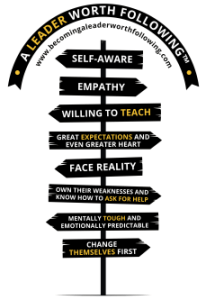
The best leaders know how to balance both. That’s what it means to lead with great expectations and an even greater heart.
Set the Bar High
Leadership starts with belief.
When you have high expectations, you’re communicating something important: I believe you’re capable. You’re telling your team that you trust them to solve problems, take ownership, and achieve meaningful results.
The same applies to yourself. Great leaders don’t lower their own standards when things get difficult. They commit to continuous improvement, take responsibility for their actions, and pursue excellence in the way they lead every day.
High expectations create growth because people tend to rise toward what is expected of them.
Remember That Everyone Is Carrying Something
At the same time, leadership isn’t lived in perfect conditions.
Some days are productive and energizing. Other days, simply getting out of bed feels like a victory. Personal struggles, family responsibilities, health concerns, stress, and unexpected challenges don’t disappear when people walk into work.
That reality includes leaders, too.
Having an even greater heart means recognizing that while the standard stays the same, people’s capacity to meet it can change from one day to the next.
Compassion doesn’t mean lowering expectations. It means understanding the human being behind the performance.
The Standard Doesn’t Change; The Response Does.
A common misconception is that empathy requires leaders to compromise accountability.
It doesn’t.
Great leaders still expect excellence. They still coach, provide feedback, and encourage improvement. The difference is how they respond when someone falls short.
Instead of reacting with frustration or judgment, they ask questions. They seek to understand what happened before deciding how to move forward. They offer support without abandoning accountability.
People are far more likely to improve when they feel respected than when they feel condemned.
Lead Yourself the Same Way
This principle doesn’t only apply to leading others. It also shapes the way you lead yourself.
Many people become their own harshest critics after making a mistake. The internal dialogue quickly turns into:
“What were you thinking?”
“You’re better than this.”
“You always mess things up.”
That kind of self-talk rarely leads to better performance. It usually leads to discouragement.
A healthier response sounds different:
“That didn’t go the way I wanted. I’ll learn from it and do better next time.”
The expectation remains high, but the conversation is rooted in grace rather than self-condemnation.
Great Leadership Requires Both Strength and Compassion
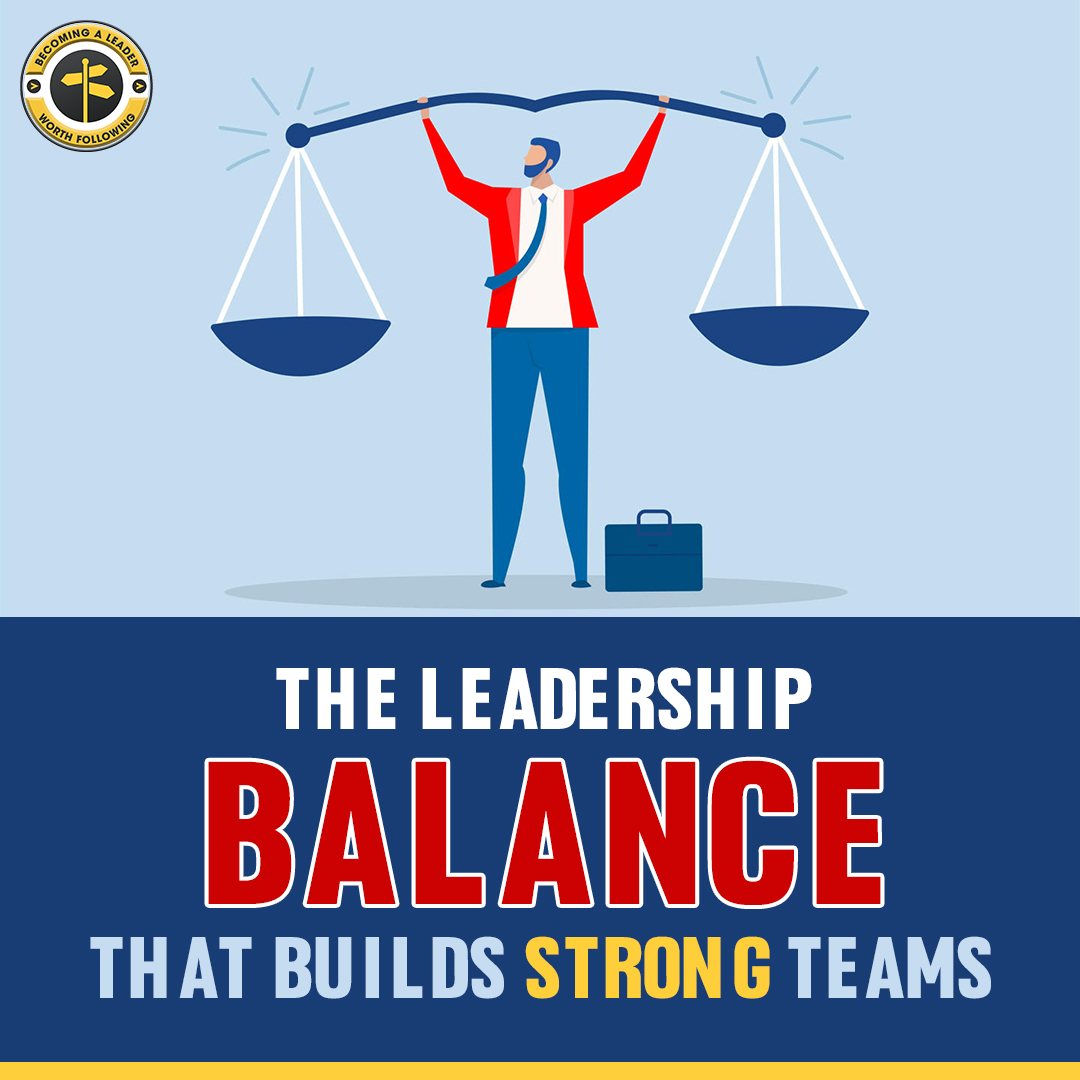
Leadership isn’t about choosing between accountability and empathy. The strongest leaders practice both.
Set high standards. Challenge people to grow. Believe they are capable of more than they think.
Then remember that every person, including you, will have days when life gets in the way. Those moments don’t erase potential. They simply remind us that leadership is about guiding people through both their successes and their struggles.
Great expectations inspire people to grow.
An even greater heart gives them the confidence to keep trying when they fall short.
That’s the balance that earns trust, develops resilient teams, and creates leaders worth following.