Influence Workplace Culture Without Controlling It
What workplace phrase or habit would you ban if you could? This sounds like an interesting leadership question, but banning a behavior isn’t necessarily the best way to change it.
Leaders have the ability to set expectations, establish policies, and hold people accountable. What they don’t have is complete control over how people behave. Workplace culture is shaped by the everyday interactions, habits, and behaviors that people come to see as normal.
If there’s something you don’t want happening in your organization, the better question may be: What do I want to see instead? That’s where culture comes in.
Culture Is the Unwritten Rulebook
Every workplace has formal rules. Culture is different.
Culture is the collection of unwritten rules that influence how people actually work together. It affects how employees communicate, handle disagreements, respond to mistakes, and treat one another when things get difficult.
You can tell employees that respect matters. But they’ll learn much more from watching how their managers respond to criticism. You can tell people to take ownership. They’ll pay attention to whether leaders admit their own mistakes. You can encourage collaboration. They’ll notice whether the people who help others are actually recognized for doing it.
People learn what an organization values by watching what happens around them. That’s why culture can’t simply be announced. It has to be demonstrated.
If You Want Change, Start With Yourself
One of the first responsibilities of a leader is to look at their own behavior. If you’re frustrated by how your team communicates, consider how you communicate with them. If employees aren’t taking responsibility, look at whether accountability is something you demonstrate yourself. If people seem reluctant to speak up, think about what happens when someone disagrees with you. Leaders set the tone, whether they intend to or not.
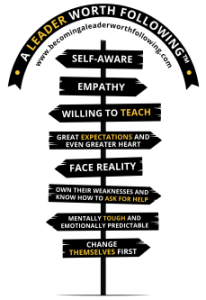
This is why changing yourself first is such an important part of becoming a leader worth following. Before asking other people to behave differently, take an honest look at the example you’re providing. Your team is paying attention.
Focus on What You Want More Of
One of the most effective ways to influence workplace culture is to recognize the behaviors you want to see repeated. When someone helps a coworker solve a difficult problem, acknowledge it. When an employee handles a disagreement thoughtfully, recognize it. When someone takes responsibility for a mistake and works toward a solution, make sure that effort doesn’t go unnoticed.
Recognition doesn’t always need to be formal. A genuine acknowledgment in a meeting, a personal thank-you, or a story shared with the team can reinforce what matters. The more consistently you recognize the behaviors that support your culture, the clearer those expectations become. People begin to see what success looks like beyond their individual job responsibilities.
Tell Stories About the Culture You Want
Stories are one of the simplest ways leaders can communicate values. A statement like “we value teamwork” is easy to forget. A story about three employees staying late to help a colleague finish an important project is much easier to remember because stories give people examples. They show employees what an organization’s values look like in real situations rather than leaving those values as abstract words on a website or employee handbook.
Leaders can use stories about successful projects, difficult conversations, customer interactions, mistakes, and moments of exceptional teamwork to reinforce the behaviors they want to become part of the culture. Over time, those stories become part of the organization’s identity.
What You Don’t Address Becomes Part of the Culture, Too
Leaders also shape culture through what they allow to continue. If someone repeatedly speaks disrespectfully to coworkers and nothing happens, employees notice. If poor communication is constantly overlooked, people notice. If leaders say collaboration matters but consistently reward people who work in isolation, employees notice that too. Silence can send a message just as clearly as recognition can.
This doesn’t mean leaders need to police every interaction or react to every minor mistake. It means that patterns matter. When behavior consistently conflicts with the culture you’re trying to build, it needs to be addressed. Otherwise, people may assume that the behavior is acceptable.
Create an Environment Where the Right Behaviors Belong
The goal isn’t to create a workplace where everyone is constantly worried about breaking a rule. The goal is to create a culture where people understand what belongs. When respect, accountability, and collaboration are consistently modeled and reinforced, employees begin to recognize those behaviors as part of the workplace.
At the same time, behaviors that conflict with those expectations become increasingly uncomfortable because they don’t fit the environment. That’s a much more sustainable approach than trying to create a list of phrases and behaviors that employees are forbidden to use because culture works from the inside out.
Leadership Is About Influence, Not Complete Control
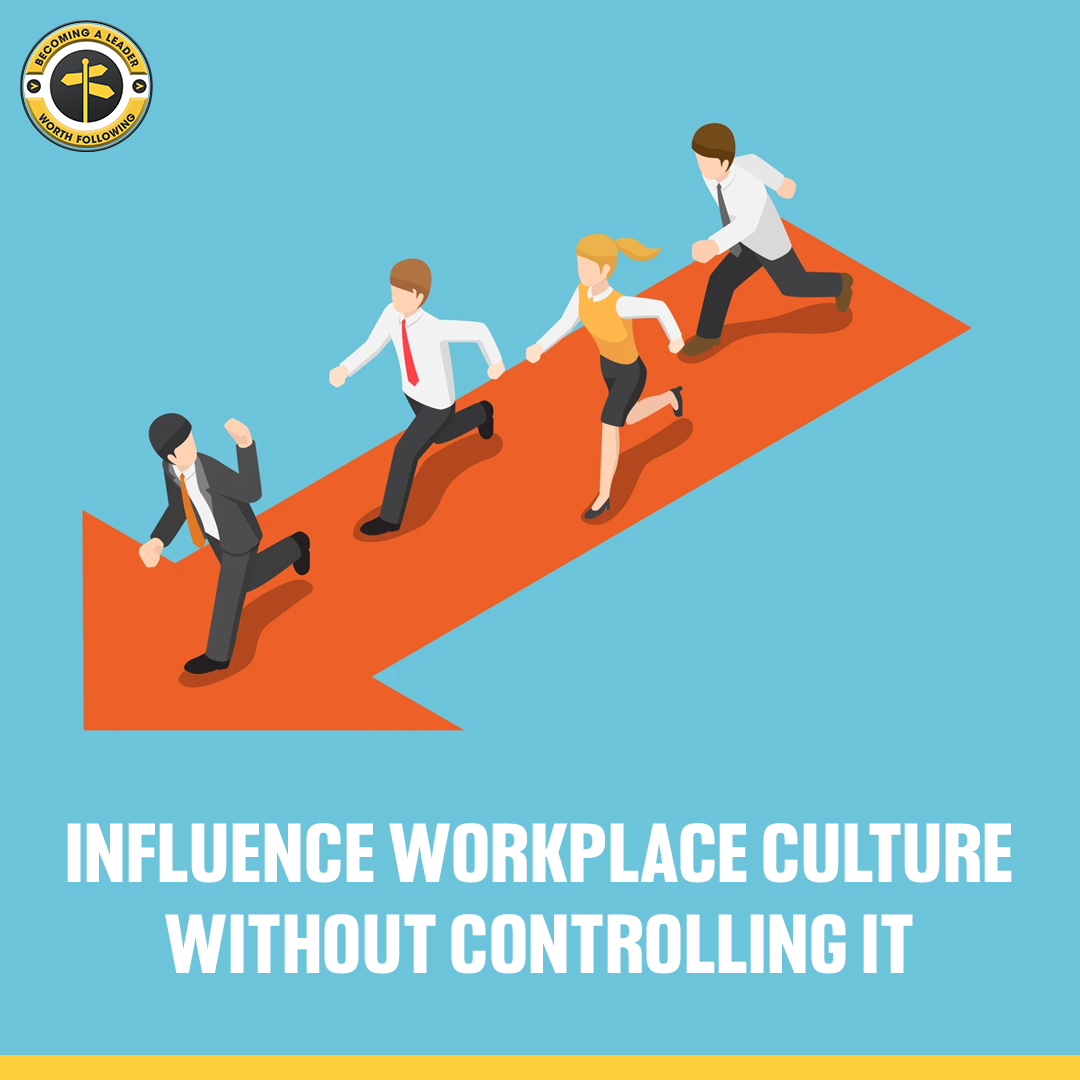
A leader can’t control every conversation that happens in an organization. They can influence the environment in which those conversations happen, model the behavior they want to see, recognize people who demonstrate the organization’s values, tell stories that reinforce those values, address behaviors that undermine them, and consistently show people what matters through their own actions. That’s how culture develops.
So instead of asking, “What should I ban from the workplace?”, consider asking instead:
“What do I want to become normal here?”
Then start modeling, recognizing, and reinforcing it. The strongest workplace cultures aren’t built around everything employees are told not to do. They’re built around a shared understanding of what “good” looks like and leaders who consistently live it.