
Understanding The Employee Learning Curve
Starting a new job or taking on a new responsibility can be exciting. At first, everything feels fresh. You’re learning, meeting new people, and imagining what you might accomplish. You may feel confident that you’ve made the right decision. Then, the reality of the work starts to sink in. The job is more complicated than you expected. There are processes to learn, problems you haven’t encountered before, and responsibilities that require more effort than you anticipated.
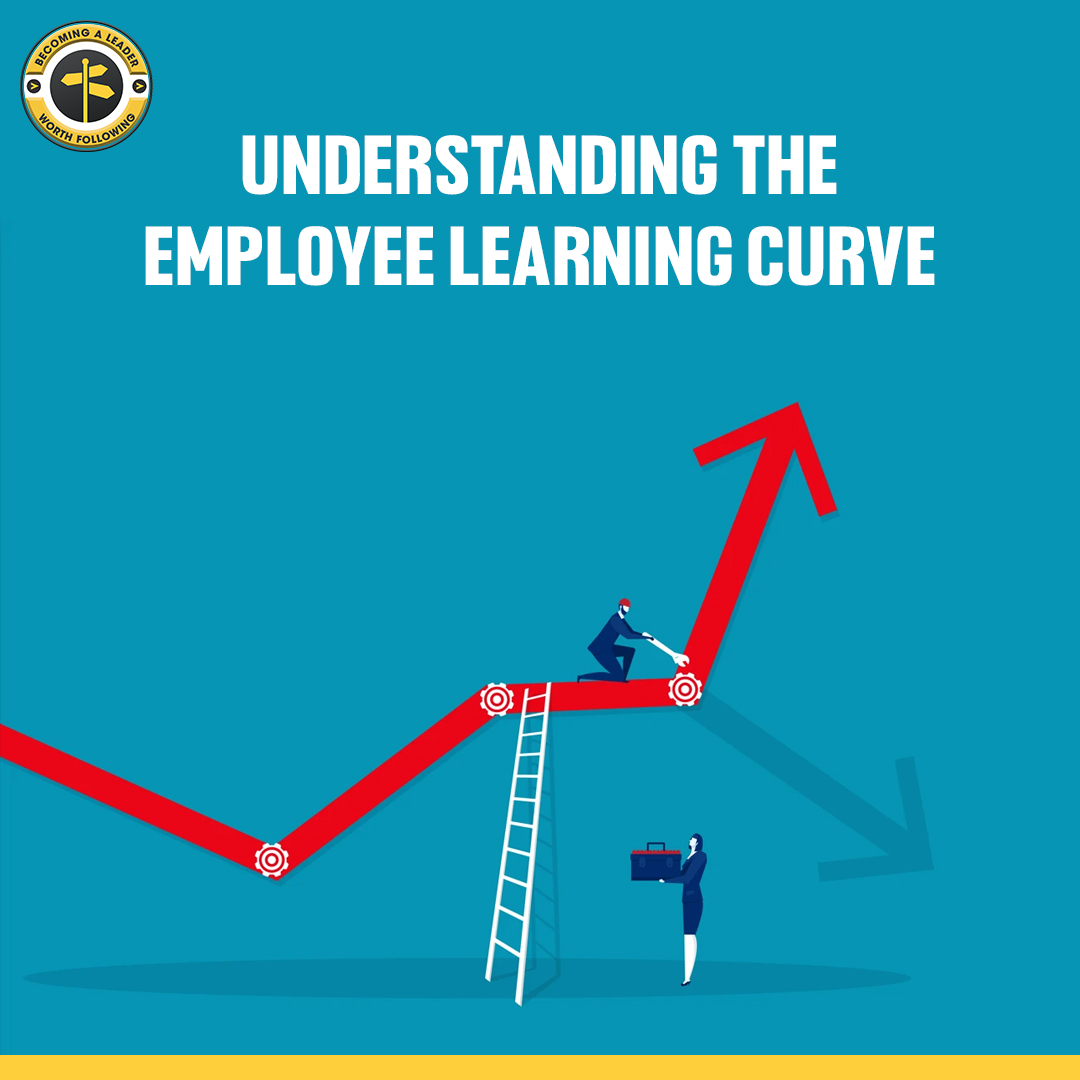
Suddenly, that initial enthusiasm starts to disappear. It’s easy to interpret that feeling as a sign that you’ve made the wrong choice. But sometimes, it’s simply part of learning. Understanding the progression from enthusiastic beginner to disillusioned learner to competent performer can help both employees and supervisors recognize what’s happening during this process.
Stage One: The Enthusiastic Beginner
When someone first takes on a new role, they’re often highly motivated. They’re interested in learning. They’re excited about the opportunity and usually willing to take on new challenges. At this point, they may not fully understand how difficult the job will be. That’s part of being a beginner.
The enthusiasm isn’t necessarily false. It’s simply based on an incomplete understanding of the work. This stage can be a great time for a supervisor to establish clear expectations, provide direction and help the employee build a strong foundation. New employees generally benefit from knowing what success looks like and having someone they can turn to when they don’t know what to do.
Stage Two: The Disillusioned Learner
Eventually, the honeymoon period ends. The employee now understands the work better, which also means they understand the challenges better. Tasks that initially seemed straightforward may turn out to be complicated. Mistakes become more noticeable. Progress may feel slower than expected. This is where someone can become a disillusioned learner.
It can be an uncomfortable stage. Someone who was excited about their new role may begin questioning their abilities or wondering whether they made the wrong career decision. For some people, this is also the point where they quit. But leaving during this stage can mean walking away before they’ve had the opportunity to develop real competence.
Don’t Confuse Frustration With Failure
Learning something well takes time. There’s a difference between realizing that a job genuinely isn’t right for you and becoming frustrated because you’re still learning how to do it.
Before making a major decision, it can help to ask a few questions:
- Have I had enough time to learn the role?
- Do I understand what is expected of me?
- Am I struggling with the work itself or with being inexperienced?
- Am I getting the type of support I need?
- Have I talked with my supervisor about what’s challenging me?
These questions can provide a clearer picture of what’s actually happening. Sometimes the answer will be that the role isn’t a good fit. But sometimes the problem is simply that you’re in the hardest part of the learning process.
Stage Three: The Competent Performer
With time, experience, and the right support, the work begins to change. Tasks become more familiar. Problems that once seemed overwhelming become easier to navigate. Confidence grows because you’ve accumulated experience solving real problems. This is the competent performer stage.
You don’t have to think through every step anymore. You understand the work well enough to operate with greater independence. This is often the point where a person starts realizing that the frustration they experienced earlier was part of the process. They didn’t suddenly become more capable overnight. They accumulated enough knowledge and experience for the work to start making sense.
Eventually, Experience Becomes Expertise
The learning process doesn’t necessarily stop at competence. Over time, experienced employees can become the people others turn to for advice. They’ve seen enough situations to recognize patterns, anticipate problems, and help less experienced colleagues navigate challenges.
What looks effortless from the outside may actually be the result of years of experience. That’s an important reminder when comparing yourself to someone who seems naturally good at their job. You’re often comparing your early learning stage with someone else’s years of accumulated experience.
Supervisors Need to Adjust Their Approach
Employees aren’t the only ones who need to understand this progression. Supervisors do too. Someone who is just beginning a role may need more direction. That could mean clear instructions, examples, frequent check-ins, and specific feedback.
As that person becomes more capable, continuing to direct every decision can become counterproductive. A competent performer may need more room to make decisions, along with encouragement and useful feedback. The supervisor’s role changes as the employee develops.
The right question isn’t simply, “Am I supporting this employee?” It’s “Am I supporting this employee in the way they need right now?”
Talk About the Kind of Support You Need
Employees also have a responsibility to communicate what would help them. If you’re struggling because you don’t know what is expected, ask for more direction.
You might say:
“I’m working through this, but I think I need a little more guidance on how to approach it.”
On the other hand, if you’ve developed confidence and feel that you’re being micromanaged, that conversation may sound different:
“I feel comfortable with this responsibility now. I’d like to take more ownership of it and check in with you when I need feedback.”
These conversations help supervisors understand where an employee is in their development. Without that communication, both sides can make incorrect assumptions.
When Is It Actually Time to Make a Change?
The learning curve shouldn’t be used as an excuse to stay in a role that genuinely isn’t right for you. There are situations where leaving is the right decision. If you’ve had adequate time to learn the work, received appropriate support, communicated your needs, and still can’t see yourself becoming comfortable or effective in the role, it may be worth considering whether something needs to change.
But recognizing the difference between “I’m struggling because I’m learning” and “This role isn’t right for me” can prevent an emotional decision made during a difficult period. Sometimes you don’t need a new job; you just need more experience.
Give Growth a Chance
Every new role has a learning curve. The initial excitement will eventually give way to challenges. That doesn’t mean you’ve failed. It means you’re discovering what it takes to become good at something. The important thing is to give yourself enough time and support to move through that process.
For supervisors, that means paying attention to where employees are in their development and adjusting your approach accordingly. For employees, it means being honest about what you’re experiencing and asking for the support you need.
The goal isn’t to remain an enthusiastic beginner forever. It’s to keep learning long enough to become competent, confident, and eventually experienced enough to help others do the same.