

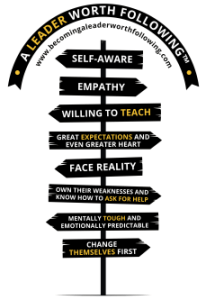

In the workplace, authenticity is the foundation of leadership that inspires trust, drives engagement, and sustains healthy teams. But what happens when leaders aren’t authentic – when they “fake it” without ever truly “making it”? The cost of inauthentic leadership can ripple through both the leader’s personal well-being and the team’s culture, productivity, and morale.
Facing Reality: The First Step Toward Authentic Leadership
One of the key aspects of becoming a leader worth following is learning to face reality, both externally and internally. This means being honest about your situation, your challenges, your people, and most importantly, yourself.
It’s easy to fall into the trap of projecting confidence or pretending everything is under control. The old saying “fake it ’til you make it” has its limits. While taking small, deliberate steps toward growth is valuable, pretending to be someone you’re not or denying where you currently stand creates internal conflict.
That tension builds up. It becomes friction. And over time, it can make you and your organization sick.
The Personal Toll of Inauthentic Leadership
When leaders aren’t true to themselves, they feel it first. That disconnect between who they are and who they think they need to be breeds stress, self-doubt, and burnout. Authenticity requires courage; it demands that you acknowledge your imperfections while still striving for progress.
Leaders who avoid that internal honesty end up fighting two battles: one with the external pressures of leadership, and another within themselves. The result? Less energy, lower resilience, and more friction in daily decision-making.
The Organizational Cost: Friction, Chaos, and Low Morale
Inauthentic leadership doesn’t just affect the leader; it spreads through the team. People can sense when a leader isn’t genuine. It shows up in communication, decision-making, and culture. When authenticity is missing, trust erodes. And when trust disappears, morale follows.
Friction starts to appear everywhere – between departments, in meetings, and in collaboration. It’s like grit in the gears of your organization: everything still moves, but it takes much more energy to function.
Authentic leaders, on the other hand, create alignment. When they face reality, they reduce friction. When they communicate honestly, they build trust. And when they model self-awareness, they give their teams permission to do the same.
Becoming an Authentic Leader Worth Following
True leadership begins with facing reality about yourself and your organization. Start by asking:
- Where am I right now, really?
- What am I avoiding facing about myself or my leadership?
- How can I take one small, honest step toward becoming more authentic today?
Every day, those small steps compound. Over time, you’ll find yourself not just “making it,” but leading with greater ease, clarity, and integrity.
Authenticity isn’t a luxury; it’s a leadership necessity. When you lead from a place of honesty and self-awareness, you reduce friction, strengthen your culture, and move your team forward with purpose.