


Decisiveness vs. Impulsiveness in Leadership
Great leadership often comes down to one critical ability: making decisions. But not all decisions are made the same way. Many people confuse decisiveness with impulsiveness, yet the two produce very different outcomes for teams and organizations.
Understanding the difference between decisive leadership and impulsive leadership can help leaders build trust, maintain direction, and achieve long-term goals.
What Is Decisiveness in Leadership?
Decisiveness is the ability to make clear, thoughtful decisions consistently over time. Decisive leaders do not simply make quick choices. Instead, they make informed decisions that align with a larger vision and strategy.
- Keeps the long-term goal in focus
- Understands the vision and path forward
- Makes thoughtful choices based on strategy
- Stays consistent in direction
Decisiveness is rooted in clarity. Leaders who understand where they are going can evaluate situations and make decisions that move their team closer to that destination. Over time, this consistency builds trust. Teams begin to see that their leader is steady, thoughtful, and committed to the plan.
What Is Impulsiveness in Leadership?
Impulsiveness is the tendency to make decisions based on immediate pressure, emotion, or changing circumstances without careful consideration.
- Change direction frequently
- React to outside pressure or shifting opinions
- Make knee-jerk decisions
- Lose sight of the long-term strategy
Instead of following a clear vision, impulsive leadership tends to follow whichever direction the “winds” are blowing that day. This creates confusion for teams and makes it difficult for organizations to maintain momentum.
The Role of Mental Toughness in Decision Making
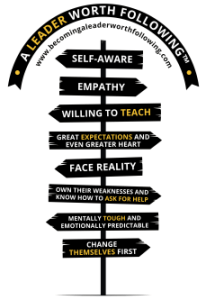
One of the key differences between decisive leaders and impulsive leaders is mental toughness. Mentally tough leaders can tolerate discomfort, uncertainty, and pressure without abandoning their strategy. They understand that leadership often requires holding steady, even when external forces push for immediate reactions.
- Withstand pressure and criticism
- Avoid emotional overreactions
- Think clearly in difficult moments
- Stay committed to the long-term vision
When leaders develop this resilience, they gain the ability to pause, evaluate, and make thoughtful decisions rather than reacting impulsively.
Why Emotional Predictability Matters
Another important leadership trait is emotional predictability. This means that a leader remains steady in how they respond to challenges.
- Stay calm under pressure
- Respond thoughtfully instead of reacting emotionally
- Provide stability for their teams
- Create an environment of trust
When leaders are emotionally predictable, teams know what to expect. That stability makes it easier for people to focus on execution rather than worrying about sudden changes in direction.
Decisive Leaders Stay Focused on the Vision
Decisiveness ultimately comes from clarity of purpose. Leaders who understand their vision and strategy can make decisions that align with their goals.
- Does this decision move us closer to our goal?
- Does this align with our strategy?
- What will this look like along the path forward?
By keeping the end goal in mind, decisive leaders avoid getting pulled into reactionary decision-making.
The Advantage of Decisiveness Over Impulsiveness
The difference between decisive leadership and impulsive leadership becomes clear over time.
- Consistent direction
- Stronger team trust
- Better long-term outcomes
- Strategic progress
- Confusion and shifting priorities
- Loss of team confidence
- Short-term thinking
- Lack of strategic progress
Final Thoughts
Great leadership is not about making the fastest decision. It is about making the right decision consistently.
Decisive leaders develop mental toughness, remain emotionally predictable, and stay focused on the vision ahead. By resisting the urge to react impulsively, they create stability, clarity, and long-term success for the people they lead.