

How to Transform Underperformance Into Growth
Underperformance is one of the most difficult challenges leaders face. Whether you manage a small team or an entire organization, your success as a leader is often measured by the performance of the people you lead. When individuals or teams fall short of expectations, it can directly impact results, morale, and organizational progress.
So how should leaders respond when performance drops? Effective leadership is not about shifting blame or avoiding responsibility. The best leaders approach underperformance with accountability, clarity, and compassion. Here is a practical leadership approach for addressing underperformance while strengthening your team in the process.
Leadership Starts With Responsibility
The first step in addressing underperformance is accepting responsibility. Leaders are accountable for outcomes, including the performance of their teams.
- Did I clearly communicate expectations?
- Did I provide the right resources or training?
- Is this person positioned to succeed in their role?
Accepting responsibility does not mean ignoring individual accountability. Instead, it demonstrates leadership maturity and builds trust within the team. When leaders step forward and take ownership, employees are more likely to respond with increased effort and commitment.
Avoid Blame and Build Trust
Teams quickly recognize when leaders deflect blame. Throwing employees “under the bus” erodes trust and damages morale. In contrast, leaders who protect their teams and work through challenges alongside them foster loyalty and resilience.
Most employees already know when they have missed the mark. Public criticism or blame rarely improves performance. What does help is a leader who focuses on solutions rather than fault. When team members see that their leader is willing to take responsibility and work with them to improve, they often respond with renewed motivation.
Reevaluate Roles and Strengths
Sometimes underperformance happens because people are not operating in roles that match their strengths. A good leader regularly evaluates whether the right people are in the right roles.
- Reassessing responsibilities
- Adjusting workflows
- Providing additional training
- Moving people into positions that better fit their skills
Great teams operate like well-coordinated systems. Every member plays a role that contributes to the larger mission. Leaders should continually ensure that individuals are positioned where they can perform at their best.
Create a Clear Plan for Improvement
Once underperformance is identified, leaders must move quickly to establish a path forward. Improvement does not happen without clarity and direction.
Clear Expectations
Define what success looks like and how performance will be measured.
Specific Action Steps
Outline the changes needed to reach the desired outcome.
Support and Resources
Ensure the employee has the tools, training, and guidance needed to improve.
Regular Check-Ins
Monitor progress and adjust the plan if necessary.
Clarity reduces uncertainty and gives employees a fair opportunity to succeed.
Be Honest and Face Reality
Leadership requires honesty. If something is not working, it must be acknowledged openly. Avoiding difficult conversations only allows problems to grow. Strong leaders address performance issues directly but respectfully. They communicate expectations clearly and provide constructive feedback. Admitting mistakes is also a critical leadership trait. When leaders acknowledge when they are wrong, it creates a culture where accountability and learning are valued.
Set High Expectations
High-performing teams are built on high expectations. Leaders should consistently communicate the standards their teams are expected to meet.
People often rise to the level of expectations placed before them. When leaders clearly define success and reinforce it through coaching and feedback, employees have a better understanding of what is required. However, expectations must always be paired with support. Holding people accountable without giving them the resources to succeed creates frustration rather than improvement.
Lead With Empathy
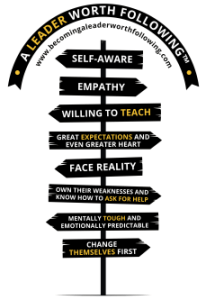
While performance matters, leaders must remember that employees are human. Everyone experiences difficult days, personal challenges, and periods of lower energy or motivation. Some days, people may struggle simply to get through their workday. Recognizing this reality helps leaders approach performance conversations with empathy rather than frustration.
Empathy does not mean lowering standards. It means understanding that people perform best when they feel supported and respected. Leaders who combine accountability with compassion create environments where people want to improve.
The Leadership Balance: Responsibility, Expectations, and Heart
- Responsibility: Leaders own the outcomes of their teams.
- Expectations: High standards are clearly communicated and reinforced.
- Empathy: Leaders recognize the human side of performance.
When leaders accept responsibility, create clear improvement plans and treat their teams with understanding, underperformance becomes an opportunity for growth rather than failure.
In the end, great leadership is not about avoiding challenges. It is about guiding people through them. Assume responsibility. Maintain high expectations. And lead with an even greater heart.