Why Great Leaders Teach What They Know
One of the biggest misconceptions leaders often have about teaching is that it only belongs in a classroom. In reality, some of the best teachers are leaders, whether they realize it or not.
That doesn’t mean every leader needs to stand in front of a whiteboard or deliver formal training sessions. It means they should be willing to share what they’ve learned, explain the reasoning behind decisions, and help others develop the skills they need to succeed.
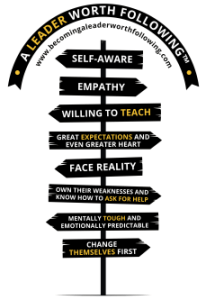
Being willing to teach is one of the most valuable leadership qualities because it creates stronger teams, develops future leaders, and even makes the leader better in the process.
Leadership Is About Sharing Knowledge.
Every leader has something that helped them earn their position. Maybe it’s technical expertise. Maybe it’s communication, problem-solving, or the ability to stay calm under pressure. Whatever that strength is, it has value beyond the individual.
Leadership isn’t about keeping that knowledge to yourself; it’s about passing it on.
The leaders who have the greatest impact don’t see knowledge as job security. They see it as an investment in the people around them. They answer questions, explain how things work, and provide context instead of expecting others to simply follow directions.
That mindset helps employees become more confident, capable, and independent.
Teaching Doesn’t Look the Same for Everyone.
One important distinction is that teaching isn’t always formal instruction.
Some leaders naturally excel at leading workshops or conducting training sessions. Others are far more effective during one-on-one conversations, coaching someone through a challenge, or demonstrating a process while working alongside them.
The method matters less than the willingness to help someone learn.
At the same time, effective leaders recognize that people learn differently. Some employees prefer written instructions. Others absorb information better through conversation. Some need to watch someone perform a task before trying it themselves, while others learn best through hands-on experience.
Great leaders pay attention to those differences. Instead of assuming one approach works for everyone, they adjust their communication so each person has the best opportunity to succeed.
That flexibility is often what separates someone who simply gives instructions from someone who truly develops people.
Knowledge Isn’t Power Until It’s Shared.
Some leaders fall into the trap of believing that holding onto information gives them an advantage. If they’re the only person who knows how something works, they become indispensable.
While that may create short-term job security, it weakens the entire team.
Strong leaders do the opposite. They openly share what they know because they understand that a team’s success is never limited by how much one person knows. It’s determined by how much the entire team is capable of accomplishing together.
When leaders teach, they multiply their impact. Instead of solving every problem themselves, they build people who can solve problems on their own.
That’s how organizations grow.
Teaching Makes Leaders Better, Too.
There’s another benefit that often goes unnoticed. Teaching doesn’t just help the learner. It sharpens the leader’s own understanding.
Anyone can perform a task from memory. Explaining that task to someone else is a completely different challenge. You have to break it down into simple steps, answer questions, and explain why each part matters. In doing so, you often discover gaps in your own understanding or identify better ways of approaching the work.
Many people experience this in activities like coaching, mentoring, or even sports. In martial arts, for example, earning a black belt is often viewed as the beginning of teaching others. That’s because teaching requires a deeper level of mastery than simply performing the techniques yourself.
The same principle applies in leadership. Every time you teach someone else, you reinforce your own knowledge and continue developing your expertise.
Leadership Is About Helping Others Grow.
The best leaders don’t measure success by how much they know. They measure success by how much the people around them grow.
That growth doesn’t require a classroom, a presentation, or a formal curriculum. It happens through everyday conversations, demonstrations, coaching moments, and shared experiences.
If you’re in a leadership role, ask yourself one simple question:
Am I keeping what I know to myself, or am I helping others become better because of what I’ve learned?
When leaders choose to share their knowledge instead of protecting it, everyone benefits.